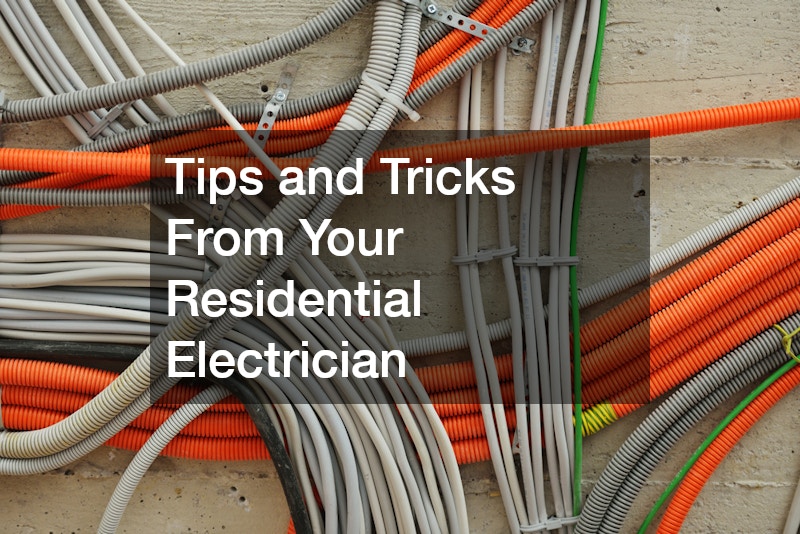
Every homeowner should have a basic understanding of their home’s electrical system. This knowledge not only helps in comprehending electricity bills but also in communicating effectively with a residential electrician. Your home’s electrical wiring is like the nervous system, with main service panels acting as the brain, routing power throughout the premises.
Learning about circuit breakers and how they work provides insight into safety and energy efficiency. An aware homeowner can often troubleshoot and identify issues early, preventing more extensive problems down the line.
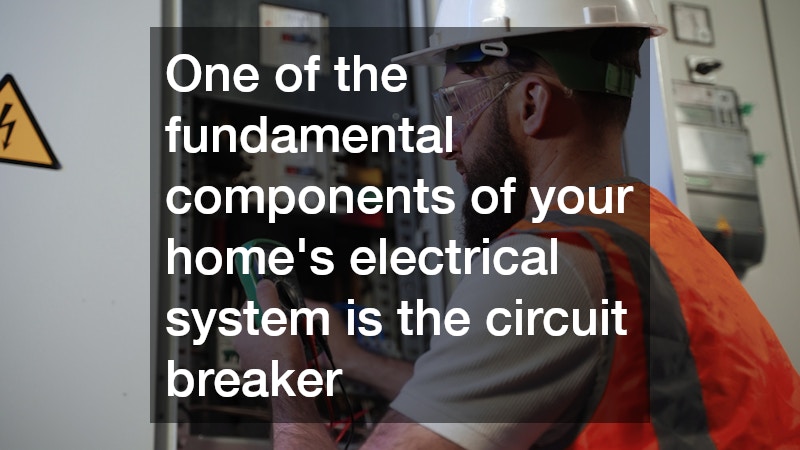
One of the fundamental components of your home’s electrical system is the circuit breaker. Circuit breakers are designed to shut off power to a circuit if they detect an overload or a short circuit. They are the lifeline to maintaining safe electricity flow and preventing potential fires. A residential electrician can guide you on what each breaker in your panel controls, ensuring you can address any unexpected power outages. Familiarity with your breaker panel can also empower homeowners to reset tripped breakers, saving time and money before needing professional intervention.
Ground Fault Circuit Interrupters (GFCIs) are essential safety devices in a modern home. They protect you from electric shock by cutting off electricity if it senses an imbalance between the outgoing and incoming current. Having GFCIs installed in wet areas such as bathrooms and kitchens is critical. Consult with a residential electrician to ensure your home complies with the latest safety standards and to identify areas that may require GFCI protection. Remember, understanding and maintaining these installations can significantly enhance household safety.
Energy Efficiency: Saving Electricity and Cutting Costs
Adopting energy-efficient practices can significantly decrease your electricity bills. A reliable residential electrician can offer personalized advice on reducing energy consumption in your home. Simple changes, such as switching to LED lighting, can drastically cut costs over time and offer long-term savings. Another suggestion is the usage of smart thermostats that can adjust heating and cooling based on your schedule, optimizing performance while diminishing wasteful energy use. Smart home technologies can also be a worthwhile investment, giving you control over appliances and lighting remotely.
One often overlooked tip is the strategic placement of appliances. Ensure large appliances, such as refrigerators and ovens, have proper ventilation and are not near heat sources. This simple adjustment lets these machines work efficiently, using less energy. A residential electrician can help assess your home and offer tailored solutions. Plugging appliances into power strips and turning them off when not needed also aids in minimizing “phantom loads” or the energy used while devices are in standby mode.
Insulation and proper sealing play a crucial role in energy conservation. Ensuring your home is well-insulated keeps energy from escaping, reducing the demand on heating and cooling systems. It’s a good idea to have your insulation checked by a professional and upgrade if necessary. Additionally, weather stripping around windows and doors should be routinely inspected and replaced when worn. Your residential electrician can advise on the integration of energy-efficient systems, contributing to a more sustainable household.
Safety Precautions and Regular Maintenance
Ensuring electrical safety in the home requires vigilance and routine maintenance. Regular inspections by a residential electrician are integral to uncovering and addressing potential hazards. Loose connections and frayed wires are prevalent issues that can lead to severe risks. Regular check-ups ensure these problems are identified and rectified promptly. Additionally, maintaining appliances and ensuring they are in good working condition prevents overheating and short circuits, reducing potential hazards.
Smoke detectors are your first line of defense against fire hazards and must be maintained regularly. Testing your smoke alarms monthly and replacing batteries at least once a year is crucial for enduring safety. A residential electrician can recommend interconnected smoke alarm systems that alert the whole household simultaneously, increasing response time in emergencies. By maintaining an efficient fire safety plan and conducting regular drills, you can enhance your family’s preparedness against fire outbreaks.
Moreover, understanding the load capacity of your home’s electrical system and keeping it within the recommended limits is vital. Overloading circuits can lead to tripped breakers or even fires in severe cases. Enlisting the expertise of a residential electrician can provide insights into balancing loads, especially when adding new appliances. Regular maintenance checks help ensure all components are functioning effectively, reducing the risk of electrical failures and enhancing the safety of your home environment.
DIY Electrical Projects: Do’s and Don’ts
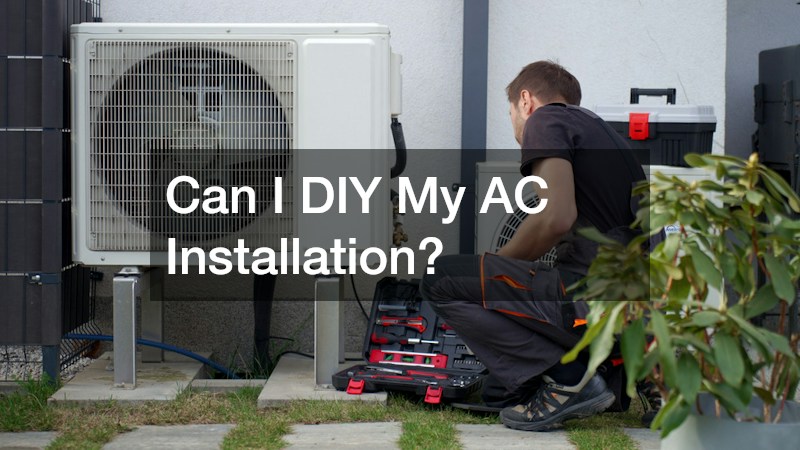
Tackling small electrical projects yourself can be fulfilling, yet it requires utmost caution. Always ensure power is turned off at the main breaker before commencing any repair or installation. Simple tasks such as installing new light fixtures or replacing switches are usually safe for those with basic knowledge. However, for more complex repairs or installations involving wiring changes, it’s essential to consult a residential electrician. Attempting these without expertise can lead to mistakes that compromise safety and cause costly damages.
Finally, always have the right tools when undertaking any electrical work. Non-conductive gloves, voltage testers, and insulated tools are vital for ensuring your safety. Additionally, never hesitate to reach out to a residential electrician if you are uncertain about any steps or face unexpected challenges. Prioritizing safety over ambition ensures that your home remains a secure and pleasant environment. A cautious approach to DIY projects preserves not only property integrity but personal well-being.