Welcome to our comprehensive guide on DIY window repair. This article will walk you through the essential steps and tips to effectively repair your windows, saving money and enhancing your DIY skills. Windows are a crucial aspect of any home, providing light, view, and insulation, so maintaining them in top condition is paramount.
From replacing a pane of glass to fixing a jammed window, we will cover a broad range of repair techniques. By the end of this guide, you’ll feel empowered to tackle your window repair projects with confidence and precision.
1. What Tools Do I Need for Window Repair?
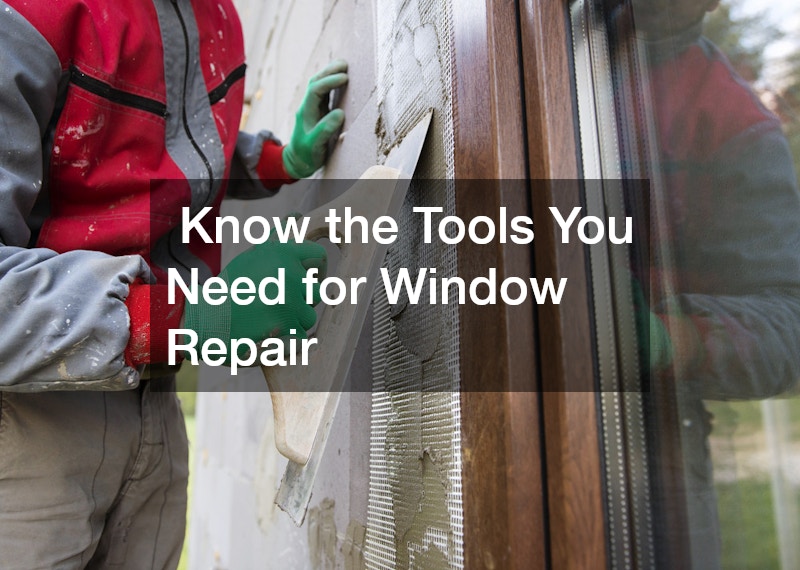
Ensuring you have the right tools is the first step in any successful DIY window repair project. Basic hand tools like screwdrivers, pliers, and a utility knife are essential for tasks such as removing old caulk or disassembling window parts. Glass cutting tools, including a glass cutter and straightedge, are necessary for sizing and fitting new glass panes. Safety equipment, such as gloves and safety glasses, protects you from sharp edges and accidental cuts. Adhesives and patching materials, like putty or silicone, are used to secure new glass and seal any gaps that may cause drafts.
When tackling window repairs, the use of appropriate power tools can greatly enhance efficiency and precision. A power drill simplifies the process of fastening screws while ensuring a secure fit for hinges and locks. Additionally, a heat gun may come in handy for loosening old, hardened caulk, making removal less labor-intensive. A multi-tool with oscillating blades can be invaluable for sanding window frames or cutting through stubborn old putty. These tools, combined with conventional hand tools, create a comprehensive toolkit for almost any window repair scenario.
It’s important to note that not all repairs will require the full suite of tools. For simpler repairs, a basic kit with hand tools and safety equipment might suffice, while more complex tasks, such as replacing entire panes of glass or adjusting the alignment of a window frame, will benefit from the addition of power tools. Knowing the difference can save you both time and effort during your repair process. Additionally, checking the manufacturer’s guidelines for your specific window type can provide insights into necessary tools and techniques. Investing in quality tools will not only aid this project but also serve future home maintenance tasks.
2. How to Identify Window Damage?
Identifying the type and extent of window damage is crucial for deciding on the appropriate repair approach. Common types of damage include cracks in the glass, rotting or damaged frames, and malfunctioning hardware like locks or hinges. Recognizing problems early can prevent them from escalating into more serious and costly issues. Visually inspecting the window for any obvious signs of damage is the first step. Cracks or chips in the glass are immediate red flags that should be addressed swiftly to maintain both security and insulation.
Structural issues represent another category of potential window damage. Such problems might arise from shifting foundations or prolonged exposure to moisture, which can weaken window frames and supports. Signs of structural issues include difficulty in opening or closing the window, gaps between the frame and sash, or visible warping of the frame itself. Addressing these issues often involves more extensive repair work, such as reinforcing the frame or realigning misaligned components. Prevention is also key, as regular maintenance can help you catch these problems before they demand extensive fixes.
Air leaks are a common problem that can significantly impact a home’s energy efficiency, as they allow conditioned air to escape and outside air to enter. Testing for air leaks is relatively simple and can be done with a candle or incense stick. By moving it around the perimeter of the window, you can identify drafts that indicate leaks. These leaks are usually fixable with fresh caulking or weather stripping, which not only improves energy efficiency but also increases comfort by reducing drafts. Regular inspection and sealing of air leaks can contribute to lower energy bills and a more regulated indoor climate.
3. How Do I Repair a Broken Window Pane?
Dealing with a broken window pane is one of the more common repair tasks for homeowners, but it requires careful handling to ensure both safety and effectiveness. The first step is removing the broken glass safely; always wear gloves and safety glasses to protect against sharp edges. Carefully remove large pieces first, then the smaller fragments, keeping in mind to dispose of them according to your local waste guidelines. Once the glass is removed, clean out any remaining putty or debris from the frame to ensure a smooth surface for the replacement pane. This step is crucial for preventing drafts and securing the new glass properly.
Next, you’ll need to measure and size your replacement glass accurately. Use a measuring tape to account for both width and height, subtracting a small amount from each to allow for easy installation without excessive friction. Once you have your measurements, you can order a pane of glass or cut it yourself if you have experience and the proper tools. Ensuring the replacement glass is slightly smaller than the opening helps accommodate for expansion and prevents additional stress. Precision in this step will lead to a better fit and a more robust repair.
Installing the new glass pane involves securing it in place with appropriate adhesives or putty to prevent movement and drafts. Apply a thin, even bead of glaze or putty around the edges of the frame before carefully pressing the new glass into place. Ensure that it is well-centered and seated firmly within the frame. Once set, additional putty can be used to fill in gaps and create a weather-tight seal. After allowing it to cure, finishing touches may include repainting or adding weather stripping for added insulation. Doing so will not only improve the visual appeal of the repaired window but will also enhance its functionality.
4. How to Fix a Stuck or Jammed Window?
Windows that are stuck or jammed can be both frustrating and indicative of underlying problems that require attention. The first step in resolving this issue is identifying the cause, which may range from accumulated dirt and debris in the window track to warping of the frame or sash. Taking the time to clean the tracks and inspect for obstructions can often resolve the problem without further intervention. However, if warping or alignment issues are present, more intricate adjustments will be needed to restore smooth operation. Addressing these problems promptly can prevent longer-term damage and maintain ease of use.
Lubricating the tracks and hinges is a vital maintenance step that can alleviate sticking by reducing friction and ensuring smooth movement. Use a silicone-based lubricant to provide a long-lasting solution that won’t attract dust or dry out quickly. Apply a light coating along the tracks and hinges, and then operate the window several times to distribute the lubricant evenly. This should result in a noticeable improvement in the window’s operation, making it easier to open and close. Regular lubrication also helps protect against rust and wear, ensuring longevity and a quieter operation.
Adjusting window alignment involves checking for and correcting any misalignments in the frame or sash. This may require loosening screws and manually adjusting the window before tightening everything back into place. In some cases, you may need to replace hardware or remove and reposition the window itself. Repairing or replacing broken parts, such as worn-out balances or damaged locks, can restore function and security. Preventative maintenance tips, like regularly inspecting and cleaning your windows, can further prevent jamming and extend the window’s lifespan.
5. How Can I Improve Window Insulation?
Improving window insulation is not only beneficial for maintaining a comfortable indoor temperature but also for reducing energy bills by minimizing heat transfer. One of the most effective ways to enhance insulation is by inspecting weather stripping and replacing it if necessary. Over time, weather stripping can become worn or damaged, compromising its ability to seal out drafts. Look for areas where the stripping is frayed or has gaps, and replace it with more effective alternatives. Ensuring a tight seal will help maintain indoor temperature and increase energy efficiency.
Adding a window film is a supplementary method for boosting insulation, especially for windows that receive significant sunlight. Specialized films can reduce UV rays and heat gain, thereby lowering cooling costs in the summer. Films can also add a layer of privacy while still allowing natural light into the home. Installing them is a straightforward DIY project that requires little more than the film itself and a squeegee to remove air bubbles. This small investment can lead to substantial savings in energy costs over time.
Further insulating measures include installing thermal curtains or upgrading to double-glazed windows. Thermal curtains are an easy and effective way to add insulation, especially during night-time when temperatures drop. They trap air between the window and the room, providing an additional barrier against heat transfer. Double glazing, while more expensive and involving professional installation, offers unparalleled insulation by using two panes of glass with an air gap between them. These measures, combined with careful caulking and sealant application, can significantly improve window performance and reduce environmental impact, showcasing an energy-efficient home.
By following the steps and advice outlined in this guide, you can confidently tackle window repairs yourself. This not only saves money but also empowers you with valuable DIY skills. Remember to exercise patience and safety throughout the process, and your windows will be as good as new in no time! Whether you’re replacing a pane, fixing a jammed window, or improving insulation, each task enhances your home’s comfort and energy efficiency. With regular maintenance and care, your windows will continue to function optimally, enhancing your living environment.