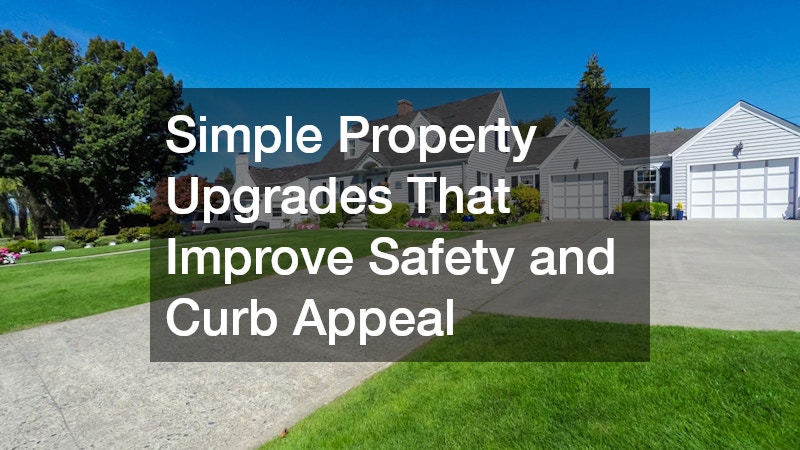
Most homeowners think of curb appeal as something purely visual—fresh paint, tidy landscaping, maybe a new mailbox. But in reality, many of the upgrades that make a home look better also make it safer and more durable. The trick is knowing where to focus your effort.
Small exterior improvements can reduce hazards, prevent costly damage, and make your home more welcoming at the same time. A safer roof prevents leaks that destroy interior spaces. Stable walkways prevent trips and falls. Smart landscaping choices protect structures while enhancing the overall look of your property.
What’s encouraging is that many of these improvements don’t require major construction or enormous budgets. With thoughtful maintenance, strategic upgrades, and a bit of planning, homeowners can make their property stronger, safer, and more appealing without overwhelming projects.
The sections below walk through practical improvements that tackle real safety concerns while also elevating the appearance and value of your home.
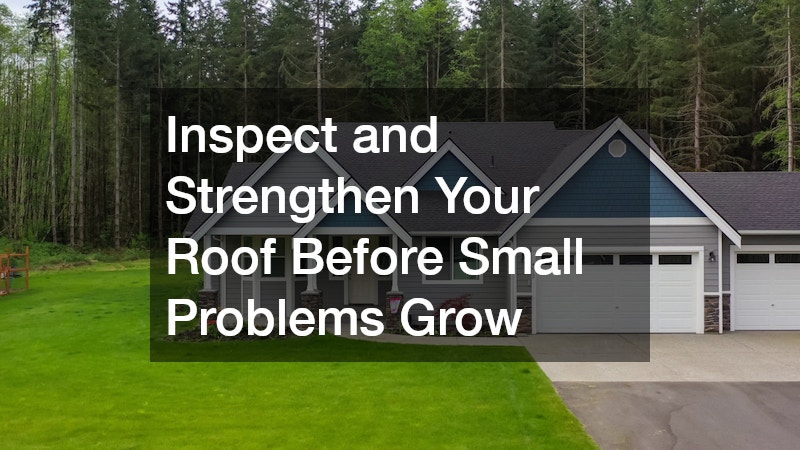
Inspect and Strengthen Your Roof Before Small Problems Grow
Your roof quietly does one of the most important jobs in your home: protecting everything underneath it. When it’s working properly, you rarely think about it. When it’s not, problems escalate quickly.
Even minor roof issues can lead to interior damage, mold, insulation problems, and structural deterioration. The good news is that many of these problems begin with small warning signs that homeowners can learn to recognize early.
What to Look for During a Visual Roof Check
A quick walk around your property can reveal early indicators that something needs attention. You don’t need to climb onto the roof—most issues can be spotted from the ground.
Watch for:
- Shingles that appear curled, cracked, or missing
- Dark streaks that indicate algae or moisture buildup
- Pieces of shingles or roofing granules in the gutters
- Sagging or uneven roof lines
Inside the home, subtle signs can appear long before leaks become obvious. Water stains on ceilings, peeling paint near rooflines, or damp attic insulation often signal hidden moisture.
If these signs appear, scheduling roof repair early can prevent much larger structural issues.
When Professional Inspections Make Sense
Even careful homeowners may miss subtle damage. That’s why many people schedule inspections every few years or after severe storms.
A qualified local roofer can evaluate:
- Flashing around vents and chimneys
- Shingle condition and lifespan
- Structural integrity of roof decking
- Proper attic ventilation
Storms with high winds or hail are especially good reasons to request an inspection. Damage may not be visible immediately, but it can shorten the life of roofing materials.
Preventive Care That Extends Roof Lifespan
Maintenance doesn’t have to be complicated. A few simple habits can significantly increase the lifespan of roofing materials.
- Keep tree branches trimmed away from the roofline
- Remove debris from roof valleys after storms
- Ensure gutters and downspouts are draining properly
- Check attic ventilation annually
Think of your roof as the home’s protective shield. Small repairs today often prevent thousands of dollars in interior damage later.
Preventing Water Damage With Smarter Gutter Protection
Water is one of the most destructive forces affecting homes. Left uncontrolled, it can damage foundations, rot wood structures, and create slippery walkways.
Your gutters act as the property’s drainage system. When they function well, rainwater flows safely away from the house. When they clog or overflow, water finds its way into places it shouldn’t.
Why Traditional Gutters Often Fail
Standard gutters work well when they’re clean. Unfortunately, they rarely stay that way.
Leaves, twigs, roof granules, and debris accumulate quickly, especially in neighborhoods with mature trees. Over time, this buildup blocks water flow and creates several problems:
- Overflowing gutters that dump water near the foundation
- Standing water that breeds mosquitoes
- Added weight that causes gutters to pull away from the house
Clogged gutters also increase the risk of ice dams during winter in colder climates.
A Practical Upgrade for Long-Term Protection
Many homeowners reduce maintenance dramatically by installing gutter covers. These systems allow rainwater to flow into the gutter while keeping most debris out.
Modern designs vary, but common types include:
- Mesh screens that block leaves
- Reverse-curve systems that channel water downward
- Micro-perforated guards that filter fine debris
Installing gutter covers can reduce cleaning frequency while keeping water flowing properly during storms.
Maintaining Gutters Even With Protection Systems
No system is completely maintenance-free. Even protected gutters should be inspected occasionally.
Homeowners should still:
- Check for debris accumulation after major storms
- Ensure downspouts remain clear
- Verify that water flows away from the foundation
When water flows correctly, it protects not just your roofline but your landscaping, walkways, and home structure.
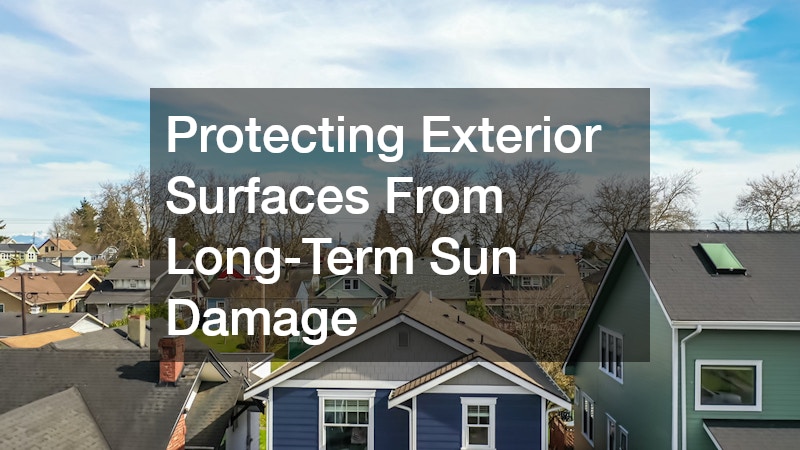
Protecting Exterior Surfaces From Long-Term Sun Damage
Sunlight can be surprisingly destructive to exterior materials. While the effects are gradual, ultraviolet radiation slowly breaks down finishes, fades color, and weakens protective coatings.
Over time, decks, railings, siding, and outdoor furniture can deteriorate if left unprotected.
How Sun Exposure Affects Outdoor Materials
Many materials that look strong and durable—wood, plastics, certain metals—are actually vulnerable to constant UV exposure.
Common problems include:
- Paint fading or chalking
- Wood cracking or drying out
- Plastic materials are becoming brittle
- Outdoor furniture is losing color
These changes might seem cosmetic at first, but surface deterioration often leads to more serious structural damage.
Applying Protective Finishes
One effective solution is applying protective coatings designed to block ultraviolet radiation. A professional UV coating service can apply treatments that extend the lifespan of many outdoor materials.
These coatings work by forming a barrier that reflects or absorbs harmful UV rays before they can damage surfaces.
They’re often used on:
- Wooden decks and fences
- Exterior doors and trim
- Outdoor furniture
- Architectural elements exposed to full sun
Where Protective Coatings Make the Biggest Impact
Some areas of a property receive far more sun exposure than others. South-facing decks, pool areas, and uncovered patios tend to experience the most deterioration.
Applying protective coatings to these areas can reduce maintenance while preserving the appearance of outdoor spaces.
The result is simple: materials last longer, colors stay vibrant, and the home continues to look well cared for.
Building Safer Walkways and Driveways Around the Home
Walkways and driveways are often overlooked until they become a problem. Cracks, uneven surfaces, and shifting materials don’t just look messy—they create genuine safety risks.
Trips and falls frequently occur on poorly maintained walkways, especially during rain or low-light conditions.
Recognizing Common Surface Problems
Many surface issues develop gradually over time.
Watch for:
- Concrete slabs lifting or sinking
- Loose pavers that rock when stepped on
- Tree roots are pushing up sections of the walkway
- Erosion around driveway edges
Even small uneven areas can become hazards for children, elderly residents, or guests.
Replacing Damaged Surfaces With Durable Materials
Professional paving contractors can help repair or replace damaged surfaces with materials designed for long-term stability.
Popular options include:
- Interlocking pavers
- Decorative stamped concrete
- Natural stone pathways
- Permeable pavers that improve drainage
These materials provide better traction while also enhancing the home’s visual appeal.
Design Choices That Improve Safety
Safety and beauty can work together. Thoughtful design choices make walkways more functional while elevating curb appeal.
Some practical improvements include:
- Gentle curves instead of sharp angles
- Edging that clearly defines walking paths
- Integrated lighting along pathways
- Proper drainage that prevents puddles
When surfaces are stable and well-designed, outdoor spaces become easier—and safer—to enjoy.
Adding Structure and Function With Hardscape Features
Landscaping often focuses on plants and greenery, but structural elements play an equally important role in creating safe and attractive outdoor environments.
Hardscape features provide stability, define spaces, and make yards more usable.
What Hardscaping Actually Includes
Hardscaping refers to the non-living elements of landscaping—features built from stone, concrete, brick, or wood.
Examples include:
- Retaining walls
- Stone patios
- Outdoor seating areas
- Pathways and garden borders
A skilled hardscaping company can design structures that work with the natural slope and layout of your property.
Why Structure Matters for Safety
In many homes, especially those on sloped lots, hardscape elements provide important structural support.
Retaining walls prevent soil erosion and keep landscapes stable. Defined pathways guide foot traffic and reduce wear on lawns. Patios create stable outdoor gathering areas.
Without these features, yards can become muddy, uneven, and difficult to maintain.
Balancing Visual Appeal and Practical Design
The most effective hardscaping blends seamlessly with the rest of the property.
For example, a stone patio might extend naturally from a back door, creating a comfortable outdoor living space. A low retaining wall could double as extra seating for guests.
Well-designed hardscape elements add structure while making outdoor areas feel intentional and inviting.
Managing Trees to Prevent Hidden Property Hazards
Trees bring beauty, shade, and character to a property. But when they’re not maintained properly, they can also pose serious risks.
Storm damage, falling branches, and invasive roots can all threaten homes, fences, and walkways.
Recognizing When Trees Become Dangerous
Healthy trees typically stand straight with strong, full canopies. When problems develop, warning signs usually appear.
Look for:
- Large dead branches
- Hollow or split trunks
- Leaning trees after storms
- Roots lifting sidewalks or driveways
These signs suggest structural weakness.
When Removal Becomes the Safest Option
While trimming often solves minor issues, there are situations where tree removal becomes necessary.
A severely leaning tree near a home or power lines can fall during storms. Trees with extensive internal rot may collapse unexpectedly.
Removing unstable trees can protect roofs, vehicles, and outdoor structures.
Maintaining Trees to Prevent Future Issues
Proper care keeps most trees healthy and stable.
Regular trimming allows air circulation through branches, reducing wind resistance during storms. Removing weak limbs prevents them from falling unexpectedly.
With consistent maintenance, trees remain assets rather than hazards.
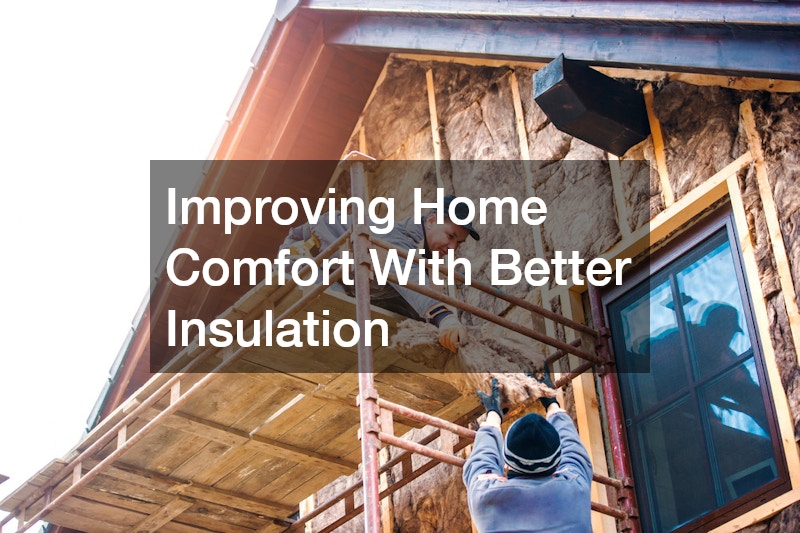
Improving Home Comfort With Better Insulation
Safety and curb appeal aren’t the only goals of property upgrades. Energy efficiency plays a major role in overall home performance.
Poor insulation often leads to higher utility bills, uneven temperatures, and moisture problems.
Why Insulation Matters More Than Many Homeowners Realize
Heat naturally moves from warm areas to cooler ones. Without effective insulation, homes constantly lose heated or cooled air through small gaps and openings.
This leads to:
- Drafty rooms
- Overworked heating and cooling systems
- Higher monthly energy bills
Many homes built decades ago simply don’t have the insulation standards used today.
A Modern Approach to Sealing Air Leaks
One increasingly popular solution is local spray foam insulation. This material expands after application, sealing small cracks and openings where air typically escapes.
Spray foam can be applied in areas such as:
- Attics
- Crawlspaces
- Wall cavities
- Garage ceilings
Because it fills gaps completely, it often performs better than traditional insulation materials.
Long-Term Benefits for Homeowners
Improved insulation creates more consistent indoor temperatures while reducing strain on HVAC systems.
It can also help prevent moisture buildup inside walls and attics, reducing the risk of mold.
Better insulation may not be visible from the street, but it significantly improves comfort and efficiency inside the home.
Refreshing Outdoor Spaces With Healthy Plants and Flowers
Sometimes the simplest upgrades have the most visible impact. Adding vibrant plant life around a property can dramatically improve its appearance.
Healthy landscaping makes homes look cared for and welcoming.
Choosing Plants That Thrive Locally
Not all plants perform well in every climate. Selecting varieties suited to your region increases the chances of long-term success.
Many homeowners visit a flower nursery for guidance on which plants thrive in their area’s soil conditions, sunlight exposure, and seasonal temperatures.
Local experts can often recommend:
- Drought-tolerant plants
- Low-maintenance perennials
- Seasonal flowers that add color year-round
Designing Welcoming Entryways
One of the easiest ways to improve curb appeal is to enhance the path leading to your front door.
Consider adding:
- Symmetrical planters near the entrance
- Flower beds bordering the walkway
- Layered plants with varying heights
These small additions create a sense of warmth and intentional design.
Keeping Landscaping Manageable
A beautiful yard doesn’t have to require constant work.
Mulch helps retain soil moisture while reducing weeds. Native plants require less watering and fertilizer. Thoughtful spacing prevents overcrowding as plants grow.
With the right choices, landscaping becomes both attractive and sustainable.
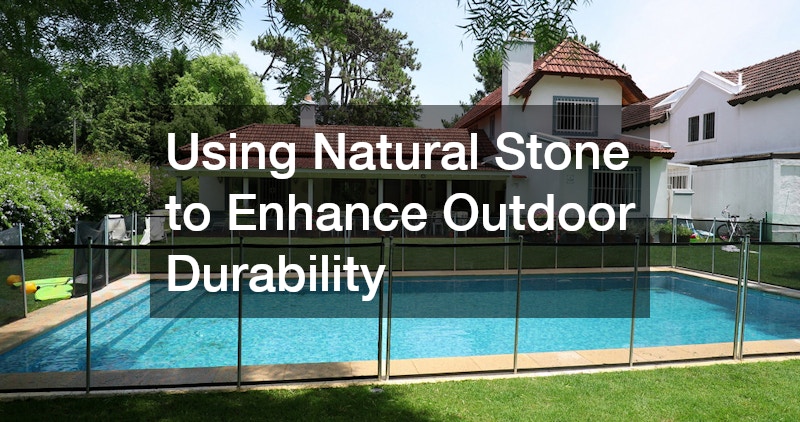
Using Natural Stone to Enhance Outdoor Durability
Stone has been used in construction for centuries because of its durability and natural beauty.
In residential properties, stone elements add both structural strength and visual sophistication.
Why Stone Works So Well Outdoors
Unlike many synthetic materials, natural stone handles extreme temperatures, heavy foot traffic, and moisture with minimal deterioration.
Stone surfaces also provide excellent traction, making them ideal for outdoor pathways and patios.
Creative Ways to Incorporate Stone Features
Stone elements can be integrated into many areas of a property.
Common projects include:
- Garden borders
- Retaining walls
- Patio flooring
- Decorative entry paths
When homeowners visit stone supply stores, they often discover a wide variety of textures and colors that complement their home’s architecture.
Matching Stone With Existing Design
One of the best qualities of natural stone is its versatility. Rustic stone works beautifully with cottage-style homes, while smooth-cut materials complement modern designs.
Used thoughtfully, stone upgrades enhance durability while creating timeless outdoor spaces.
Creating a Property That Looks Beautiful and Functions Safely
A well-maintained home does more than impress visitors. It provides peace of mind for the people who live there.
When homeowners approach property upgrades with both safety and aesthetics in mind, improvements tend to serve multiple purposes. A stable walkway prevents falls while improving curb appeal. Healthy trees shade the yard while protecting the home. Efficient insulation keeps energy costs manageable while improving comfort.
The most successful projects often begin with simple observations—looking closely at how water moves across the property, how outdoor spaces are used, and where small hazards may be developing.
Over time, thoughtful improvements add up. The property becomes stronger, easier to maintain, and more welcoming to everyone who steps onto it.