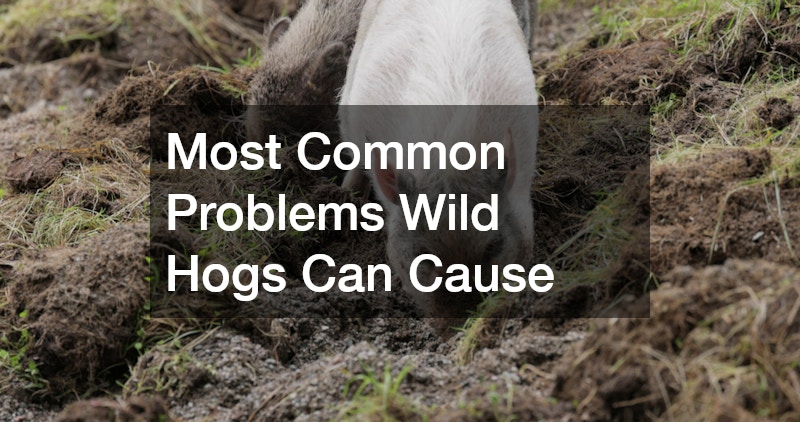
Understanding the impact of wild hogs on environments and communities is crucial as their populations continue to grow. Known for their adaptability and rapid reproduction, these invasive species have increasingly become a concern for both natural ecosystems and agricultural areas. As they expand their range, the problems they cause can escalate, affecting local wildlife, agriculture, and even human health. By looking at the common problems from these invasive species, we can gain greater insight into the need for effective management strategies and hire reliable local hog trap services.
How Do Wild Hogs Affect the Environment?
Destruction of Vegetation
Wild hogs root and trample vegetation, leading to significant habitat destruction. Their foraging behaviors destroy ground-level flora, which can take years to recover fully.
This destruction creates barren patches in forests and fields, impacting many species that rely on these plants for shelter and food. The loss of vegetation not only disrupts local ecosystems, but it also contributes to the decline of related species, many of which are already vulnerable. As a result, the overall biodiversity of the area suffers, making it more difficult for native species to thrive.
Water Quality Degradation
Wild hogs disturb water bodies, leading to increased sedimentation and pollution, which can detrimentally affect local ecosystems. Their activities near lakes, rivers, and streams often lead to runoff that carries nutrients, pathogens, and sediments into the water. This contamination can result in algal blooms, which deplete oxygen and harm aquatic life. Additionally, specific pathogens associated with wild hogs can pose health risks to wildlife and humans alike. Addressing these water quality issues is critical for maintaining healthy ecosystems and safe drinking water sources.
Competition with Native Wildlife
Wild hogs compete with native species for food and habitat, threatening biodiversity. They often consume resources that other animals rely on, such as seeds, nuts, and small mammals, which can lead to declines in those populations. This competition intensifies during food shortages, making it difficult for native species to survive and reproduce. Furthermore, wild hogs may alter habitats in ways that make them less suitable for other wildlife, exacerbating the impact on biodiversity. Conservation efforts must address this dynamic to protect at-risk species and restore ecological balance.
What Are the Economic Impacts of Wild Hogs?
Damage to Agriculture
Crops and livestock suffer significant losses due to wild hog activity, posing severe threats to the agricultural sector. Farmers report extensive damage to fields, with wild hogs uprooting crops and consuming them before harvest. This damage leads to decreased yields, increased production costs, and potential financial losses. The presence of wild hogs also creates challenges for livestock operations, as they can harm animals directly or indirectly through competition and disease transmission.
Infrastructure Damage
Wild hogs cause damage to fences and irrigation systems critical to agriculture, compounding the issues faced by farmers. These animals often break through or destroy livestock enclosures, leading to financial losses and safety concerns. Additionally, their rootling can disrupt irrigation systems, leading to further complications in managing water resources for crops. This can have cascading effects on productivity and resource management, threatening the sustainability of farming operations. The repair and maintenance costs associated with this damage further strain agricultural budgets.
Impact on Property Values
Properties affected by hog infestations may experience decreased values, creating concerns for homeowners and real estate markets. The presence of wild hogs can deter potential buyers, as many are hesitant to invest in areas where wildlife conflicts are prevalent. Additionally, the associated damage and ongoing management efforts can lead to increased insurance rates and property maintenance costs.
What Health Risks Do Wild Hogs Pose?
Transmission of Diseases
Wild hogs are vectors for various diseases that can affect humans and animals, raising public health concerns. They can carry zoonotic diseases, such as leptospirosis and brucellosis, which can have dire effects on both human and livestock health. The potential for disease transmission increases in areas where wild hog populations overlap with agricultural or urban environments. This poses significant risks to farmers, residents, and wildlife alike, necessitating vigilant health monitoring and management strategies.
Encounters and Attacks
Human encounters with aggressive wild hogs can lead to injuries and fatalities, highlighting the danger these animals pose in populated areas. As wild hog populations expand, the likelihood of conflict with humans increases, particularly near agricultural and suburban locales. These encounters can result in serious injuries, especially if individuals attempt to defend their property or livestock.
Wild hogs present a range of environmental, economic, and health challenges that communities must confront. Their destructive behaviors lead to habitat loss, competition with native species, and threats to agriculture, which can strain local economies. To preserve ecosystems and safeguard human health, it is essential to implement effective control measures and educate the public on managing interactions with these invasive species.