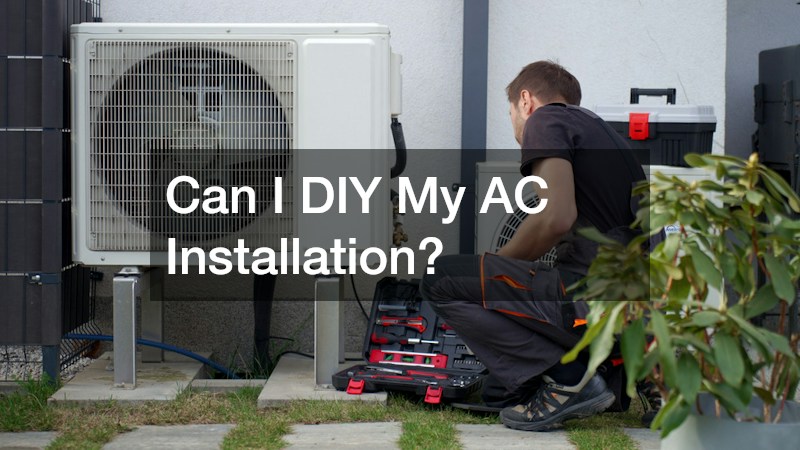
Deciding on a DIY air conditioning installation is a decision that requires careful consideration. It’s an enticing option for homeowners looking to save money and feel a sense of accomplishment. However, there are several factors, including safety, expertise, and time, that must be taken into account before embarking on such a project. DIY installations tend to pose significant challenges, especially to those without professional training. Understanding the requirements and implications is essential for anyone contemplating this route.
The attraction of DIY projects lies in the potential cost savings and the personal satisfaction of completing a complex task independently. Many homeowners consider taking the installation into their own hands after researching online resources and watching tutorial videos. However, the reality of the task often doesn’t align with expectations. HVAC systems, with their intricate components and critical setups, require a level of skill and precision that goes beyond many DIY tasks. This article breaks down the feasibility, requirements, and implications of a DIY AC installation.
The decision to self-install an air conditioning unit should not be taken lightly. Potential errors can lead to increased costs, inefficiency, and even safety hazards. It is essential to assess personal capabilities, the specific requirements of your home, and the legal requisites tied to HVAC installations. Before you decide to install an AC system yourself, it is crucial to weigh all the pros and cons thoroughly. Let’s explore what is involved in DIY AC installations and whether it might be the right choice for you.
What Tools Are Needed for DIY AC Installation?
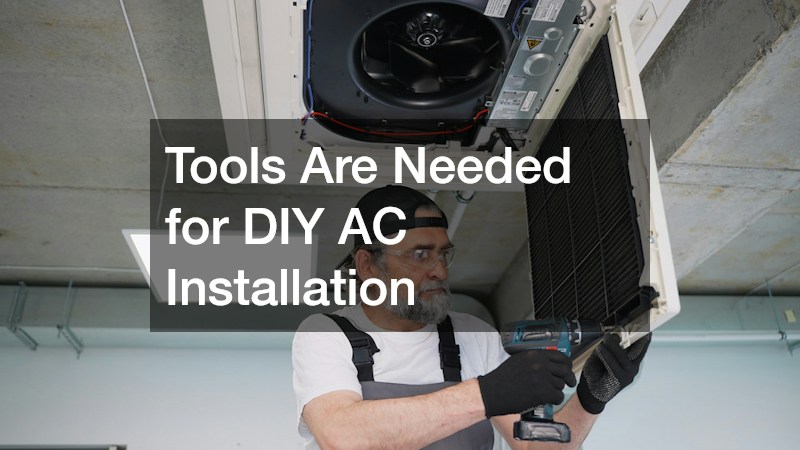
To undertake a DIY AC installation, having the right tools is crucial. Basic hand tools, such as wrenches, screwdrivers, and pliers are essential for assembling and securing components. More specialized tools, like a refrigerant gauge, vacuum pump, and multimeter, are also necessary to ensure the system operates correctly and safely. These tools can be quite costly, possibly diminishing the perceived savings from not hiring a professional. Investing in high-quality tools is vital to avoid any mishaps during installation.
Understanding how to use these tools correctly is equally important to having them. Each tool serves a specific purpose, and misuse can lead to damage to the unit or potential safety hazards. For instance, using the wrong kind of screwdriver could strip screws or damage sensitive parts. In addition to physical tools, knowledge of building codes and permits is essential, as non-compliance can result in fines or required demolishing of work. Thus, a comprehensive understanding of both tools and regulations is indispensable in any DIY AC installation project.
While some tools may be familiar to a keen DIY enthusiast, others may require more specialized knowledge. For example, a refrigerant gauge set is used to measure the amount of refrigerant in the system, ensuring it is neither overcharged nor undercharged. A vacuum pump is vital for removing moisture from the system, which could freeze and cause damage. Missteps in using these tools could compromise the system’s efficiency, ultimately costing more in the long run through repairs or decreased energy efficiency, displaying the complexity and precision needed for proper installation.
How to Choose the Right AC Unit for Your Home?
Choosing the right AC unit involves several considerations to ensure efficient and effective cooling. The first factor is the size of your home, as this determines the unit capacity needed. BTU (British Thermal Units) determines the cooling capacity, with larger spaces requiring units with higher BTUs. Energy efficiency ratings, like SEER (Seasonal Energy Efficiency Ratio), also play a critical role in selecting an AC unit. A higher SEER rating signifies better efficiency, which can lead to cost savings over the unit’s lifespan.
Ascertaining the layout and specific cooling needs of different spaces is another aspect of unit selection. Some rooms might require more cooling power due to their position relative to the sun or insulation quality. In such cases, a more powerful unit or additional considerations such as zoning features can be beneficial. It’s also vital to consider the installation complexity associated with different unit types, such as window units vs. central air systems. Each comes with distinct installation requirements and costs.
Budget constraints often influence the choice, but it’s crucial to balance initial costs with long-term efficiency and maintenance expenses. Investing in a system with a higher initial cost might lead to lower operational costs due to improved energy efficiency. Warranties should also be factored into the decision-making process, as they can provide security and mitigate repair costs. Therefore, it is essential to thoroughly research and analyze the specific requirements of your home before selecting an AC unit to ensure compatibility and efficiency.
Challenges of DIY AC Installation
DIY AC installation presents a multitude of challenges that require careful navigation. The complexity of the system, with its intricate wiring and delicate components, demands a certain level of skill and experience. Mistakes during installation can result in functional issues, causing inefficient service, increased energy consumption, and even physical damage to the unit or home. Making connections between different parts incorrectly could lead to refrigerant leaks, posing significant environmental and health risks. Thus, a profound understanding of the system and precision in execution is required.
Another notable challenge is adhering to local building codes and regulations, which can vary greatly from one region to another. These codes ensure safe and efficient operation and non-compliance can lead to hefty fines. Additionally, acquiring the necessary permits might prove difficult or confusing for a novice. This legal aspect necessitates thorough research and understanding of installation standards and requirements. Failure to comply can cost more time and money than originally anticipated, overshadowing any initial savings.
Lastly, the physical demands of an AC installation can also prove challenging without proper assistance or equipment. Installing the indoor and outdoor units involves heavy lifting, precise positioning, and secure mounting. Working in limited spaces, typically where units are installed, can lead to awkward positions and potential safety hazards. Furthermore, the risks associated with handling refrigerants and electrical components can lead to severe injuries if not managed with proper care and equipment. Overall, these challenges highlight the complexity and demands of a DIY AC installation project.
Can DIY Installation Affect Warranty Coverage?
An important consideration in DIY installations is the potential impact on warranty coverage. Many manufacturers require professional installation to validate the warranty. This stipulation is often in place to ensure that the units are installed correctly and safely. An improper installation by an untrained individual may void the warranty, leaving the homeowner responsible for repair costs. It is crucial to review warranty terms before commencing a DIY project to understand any potential risks fully.
The reasoning behind these warranty limitations is rooted in reducing the risk of damage and ensuring optimal performance. A professional installer provides assurance of service quality, as they possess the necessary training and experience. In contrast, DIY installations can sometimes lead to unintended damage due to missteps during the process. This could result in a significantly shortened lifespan for the AC unit or increased likelihood of needing costly repairs. Ensuring warranty coverage requires meeting installation guidelines set by the manufacturer.
Additionally, some regions have specific regulations that require licensed professionals to perform certain installations. Engaging a professional installer also helps ensure compliance with regional building regulations. This not only maintains warranty coverage but also ensures the safety and efficiency of the installation. While DIY installations can be appealing for cost-cutting reasons, the potential risks to warranty and overall system health must be weighed carefully. Ultimately, understanding and adhering to warranty and legal requirements are critical components of considering a DIY AC installation.
When is it Best to Hire a Professional?
Hiring a professional is often the best course of action when considering the complexities of AC installations. Professionals bring expertise and knowledge that significantly reduces the likelihood of mistakes. Their experience allows them to recognize and address potential issues before they become significant problems. Additionally, they ensure that the installation meets all safety standards and regulatory requirements. The peace of mind that comes with knowing the job has been done correctly is invaluable.
Financially, while the upfront cost of hiring a professional might be higher, it often results in cost savings in the long run. Incorrect installations can lead to inefficiencies that increase energy bills and require costly repairs, often negating any initial savings. Professional installation might also be a requirement for keeping the manufacturer’s warranty valid. The assurance that a professional installation provides can prevent future expenses and inconvenience, solidifying its value compared to DIY attempts.
Professional installers also offer tailored advice specific to the home’s needs, which might not be apparent to a novice. This includes selecting the right unit, optimal placement, and additional features that can enhance system performance. Their services typically include a thorough inspection and testing to ensure everything operates as intended. When considering health, safety, efficiency, and compliance, investing in professional installation is a prudent choice. For peace of mind and optimal system operation, professional AC installation often stands as the most reliable solution.
DIY AC installation can be a challenging and risky endeavor, reserved for those with the necessary skills, tools, and knowledge. Missteps could lead to inefficient operation, increased costs, and safety hazards, including potential voiding of warranties. For most homeowners, the complexities associated with the project outweigh the potential cost savings. It is crucial to thoroughly assess whether the DIY approach aligns with your capabilities and needs.
On the other hand, professional installation offers many advantages, including expertise, assurance of compliance, and maintaining warranty coverage. The costs associated with professional services are often justified by the quality and reliability of the installation. This can help ensure long-term efficiency and system longevity. While DIY has its allure, more often than not, professional installation delivers better results and peace of mind.
Ultimately, the choice between DIY and professional installation should be made after careful consideration of all factors involved. Whether assessing personal ability, understanding system requirements, or evaluating long-term benefits, it is essential to make an informed decision. By doing so, you can ensure that your AC system operates efficiently, safely, and effectively. For those unsure or uncomfortable with the intricacies of HVAC systems, seeking help from a professional is recommended.