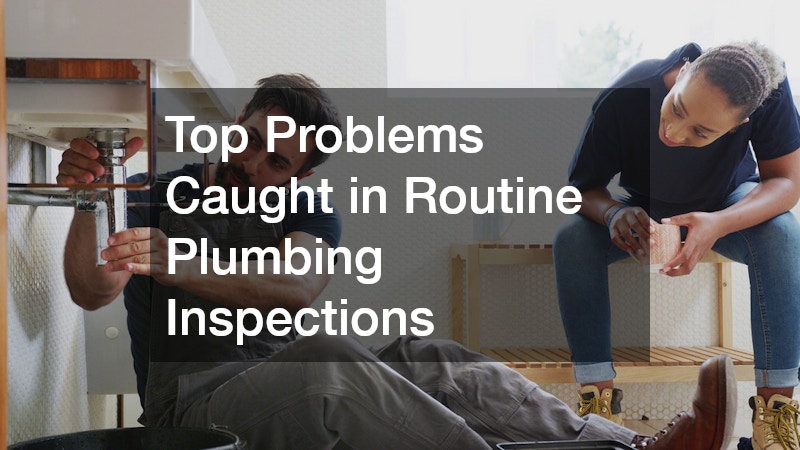
Plumbing inspections play a critical role in maintaining a safe, efficient, and damage-free home. Many homeowners don’t think about their plumbing system until something goes wrong, but routine evaluations can catch problems early—before they turn into expensive repairs. From hidden leaks to failing fixtures, inspections provide a clear picture of your system’s health and help prevent water damage, mold growth, and unexpected breakdowns. Understanding the most common issues uncovered during these inspections can help you stay proactive and protect your property.
Hidden Leaks and Moisture Buildup
One of the most common problems identified during plumbing inspections is hidden leaks. These leaks often occur behind walls, beneath flooring, or in ceilings, making them difficult to detect without a professional assessment. Even a small, slow leak can cause significant damage over time, weakening structural components and creating the perfect environment for mold and mildew growth.
Moisture buildup from undetected leaks can also affect insulation, drywall, and wood framing. Left unchecked, this can lead to costly repairs and potential health concerns for occupants. Routine plumbing inspections are designed to identify these issues early using specialized tools and techniques, ensuring that minor leaks don’t escalate into major problems.
Signs of Undetected Leaks
There are several warning signs that may indicate hidden leaks in your home. An unexplained increase in your water bill is often one of the first red flags. You might also notice damp spots, stains, or discoloration on walls and ceilings. In some cases, a persistent musty odor can signal the presence of mold caused by excess moisture. Recognizing these signs early and scheduling plumbing inspections can make a significant difference in preventing extensive damage.
Pipe Corrosion and Deterioration
Over time, pipes naturally degrade due to age, water quality, and environmental factors. Plumbing inspections frequently uncover corrosion in older piping materials such as galvanized steel or even copper. As pipes corrode, they can restrict water flow, weaken structurally, and eventually develop leaks or burst entirely.
Corroded pipes can also impact water quality, introducing rust or contaminants into your household water supply. This not only affects taste and appearance but may also pose health risks.
Common Causes of Pipe Damage
Several factors contribute to pipe deterioration. Hard water is a major culprit, as mineral buildup can accumulate inside pipes and accelerate wear. Chemical reactions between water and pipe materials can also lead to corrosion over time. Additionally, simple aging plays a significant role, as older plumbing systems are more prone to weakening and failure. Plumbing inspections help pinpoint these causes and guide homeowners toward appropriate solutions, such as pipe replacement or water treatment systems.
Drainage and Sewer Line Issues
Drainage problems are another frequent finding during plumbing inspections. Slow drains, recurring clogs, and backups are often symptoms of deeper plumbing issues. While minor clogs can sometimes be resolved with basic maintenance, more serious blockages may require professional attention.
Sewer line issues, in particular, can cause significant disruption if left unaddressed. Tree root intrusion is a common problem, as roots naturally seek out moisture and can infiltrate small cracks in underground pipes. Over time, these roots expand and create major blockages. Additionally, grease, debris, and other buildup can accumulate in pipes, restricting flow and causing backups.
Warning Signs of Drain Problems
Homeowners should be aware of several indicators of drainage issues. Frequent backups in sinks, tubs, or toilets are a clear sign of trouble. Gurgling noises from drains may indicate trapped air due to blockages. Foul odors emanating from drains can also indicate buildup or sewer line problems. Scheduling plumbing inspections when these signs appear can help prevent more extensive and costly repairs.
Faulty Fixtures and Improper Installations
Plumbing inspections often reveal issues with fixtures and installations that may not be immediately obvious. Leaking faucets, running toilets, and poorly sealed connections can waste significant amounts of water over time. While these problems might seem minor, they can add up quickly in terms of both water usage and utility costs.
Improper installations are another concern. Whether it’s a poorly fitted pipe joint or an incorrectly installed appliance, these issues can lead to long-term inefficiencies and increased risk of leaks. In some cases, substandard workmanship may not meet current building codes, creating potential safety concerns. Plumbing inspections help identify these problems and ensure that all components of your system are functioning properly and efficiently.
Scheduling regular plumbing inspections with a qualified professional not only extends the lifespan of your plumbing system but also provides peace of mind. Taking a proactive approach today can save you time, money, and stress in the future.